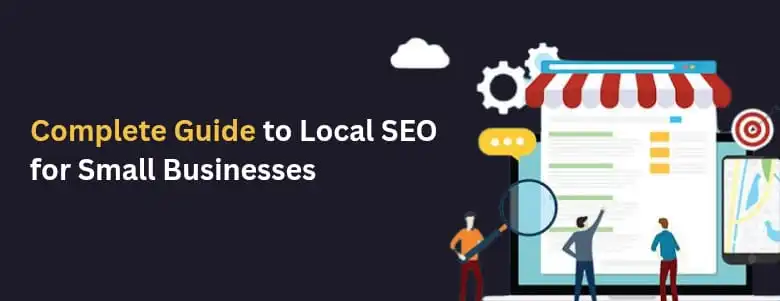
Before parents choose a school, tutor, or extracurricular program for their child, most of them do the same thing first: they search online. They read reviews, check locations, and compare options nearby. Local SEO works in a very similar way for small businesses.
Local SEO helps businesses appear in search results when people search for services in their area. It allows search engines to understand location, credibility, and relevance. Just as students need strong fundamentals before tackling advanced subjects, small businesses need a solid local SEO foundation to compete effectively online.
When I explain local SEO to parents, I often compare it to academic preparation. You cannot skip the basics and still expect consistent results. Local visibility, trust signals, and accurate information all work together to determine success.
Table of Contents
- What Local SEO Is and Why It Matters for Small Businesses
- How Search Engines Evaluate Local Businesses
- Core Elements of a Strong Local SEO Foundation
- Step-by-Step Local SEO Strategy for Small Businesses
- Common Local SEO Mistakes Small Businesses Make
- How Professional Guidance Improves Local SEO Results
- Conclusion
- Frequently Asked Questions
What Local SEO Is and Why It Matters for Small Businesses
Local SEO focuses on improving a business’s visibility in searches tied to a specific geographic area. When someone searches for a service “near me” or includes a city name, search engines prioritize businesses that show strong local relevance and trust.
I approach this topic the same way I approach academic guidance. Local SEO teaches search engines who a business serves, where it operates, and why it deserves attention. Without that clarity, even high-quality businesses remain invisible online.
For small businesses local SEO matters because it targets people who already intend to act. These searchers want to call, visit, or book a service. When local SEO works correctly, it connects the right business with the right audience at the right time.
How Search Engines Evaluate Local Businesses
Search engines evaluate local businesses using three primary signals: relevance, proximity, and credibility. I always emphasize these pillars because they guide every effective local SEO decision.
Relevance measures how closely a business matches what someone searches for. Proximity considers the physical distance between the business and the searcher. Credibility, often called prominence, reflects trust built through reviews, consistent information, and online mentions.
Just as colleges evaluate students on multiple criteria rather than a single test score, search engines assess businesses using combined signals. Strong local SEO balances all three factors instead of focusing on only one.
Core Elements of a Strong Local SEO Foundation
- Google Business Profile optimization with accurate categories, services, photos, and updates
- Consistent business information across websites, directories, and listings
- Location-focused website content that explains services clearly
- Customer reviews and responses that demonstrate credibility
- Mobile-friendly website design with fast loading speeds
- Clear contact and location details visible on every important page
I encourage business owners to think of these elements as academic fundamentals. Without them, advanced strategies cannot succeed.
Step-by-Step Local SEO Strategy for Small Businesses
- Research local keywords based on services and service areas
- Optimize Google Business Profile with complete and accurate details
- Create dedicated service and location pages on the website
- Build local citations on trusted business directories
- Encourage real customer reviews and respond professionally
- Track performance and adjust strategy regularly
This structured approach mirrors how I guide students through complex subjects. Each step builds on the previous one, creating steady and measurable progress over time.
Common Local SEO Mistakes Small Businesses Make
- Using inconsistent business names, addresses, or phone numbers
- Ignoring reviews instead of engaging with customers
- Overusing keywords in unnatural ways
- Creating thin or duplicate location pages
- Relying only on paid advertising for visibility
I often remind parents that shortcuts rarely work in education. The same rule applies to local SEO. Sustainable success requires accuracy, patience, and consistency.
How Professional Guidance Improves Local SEO Results
- Strategic planning instead of trial-and-error execution
- Continuous monitoring of rankings, traffic, and conversions
- Alignment with current search engine guidelines
- Stronger focus on long-term growth rather than quick wins
- Better conversion optimization from local traffic
When local SEO receives expert attention, small businesses gain clarity, direction, and confidence much like students who receive structured academic support.
Conclusion
Local SEO helps small businesses earn visibility where it matters most within their own communities. It builds trust, attracts motivated customers, and creates long-term growth without relying solely on advertising.
I believe that clear guidance and strong fundamentals lead to success, whether in academics or business. A well-executed local SEO strategy gives small businesses the opportunity to compete fairly, grow steadily, and serve their local audience effectively.
Frequently Asked Questions
How long does local SEO take to show results?
Most small businesses see meaningful improvements within three to four months, depending on competition and consistency.
Is Google Business Profile enough for local SEO?
Google Business Profile is essential, but website optimization, reviews, and citations are equally important.
Does local SEO work for service-based businesses without a storefront?
Yes. Service-area businesses can rank locally with proper optimization and clear service coverage.
Are customer reviews really important for local SEO?
Yes. Reviews influence both search rankings and customer trust, making them a critical factor.
Ready to strengthen your local visibility and attract qualified leads?
Partner with webgisolutions to turn local search into consistent business growth.